Why Canadians Are Turning to Solar + Storage Solutions for Energy Independence
Across the country, more Canadians are rethinking how they power their homes. The shift isn’t just about saving on electricity bills—it’s about gaining independence, protecting against outages, and reducing environmental impact. At the centre of this change is a growing interest in solar energy systems combined with home battery storage.
This isn’t a fringe movement anymore. With climate events becoming more common and utilities under strain, solar and storage are quickly becoming mainstream solutions for homeowners looking to take control of their energy future.
Energy Insecurity Is Driving Change
Canada’s electrical grid has long been considered reliable, but even the most dependable systems are feeling the pressure of extreme weather, aging infrastructure, and increasing demand. Provinces like Ontario, Alberta, and British Columbia have all seen major weather-related blackouts in recent years. And while these outages vary in cause and severity, they share one common theme: they’re reminders that the grid isn’t invincible.
For many homeowners, a few hours—or days—without power is more than an inconvenience. It can mean spoiled food, frozen pipes, medical risk, and lost income. As a result, demand is growing for backup power solutions that don’t just respond to outages, but actively reduce dependency on the grid.
This is where solar + storage shines.
How Solar + Storage Works Together
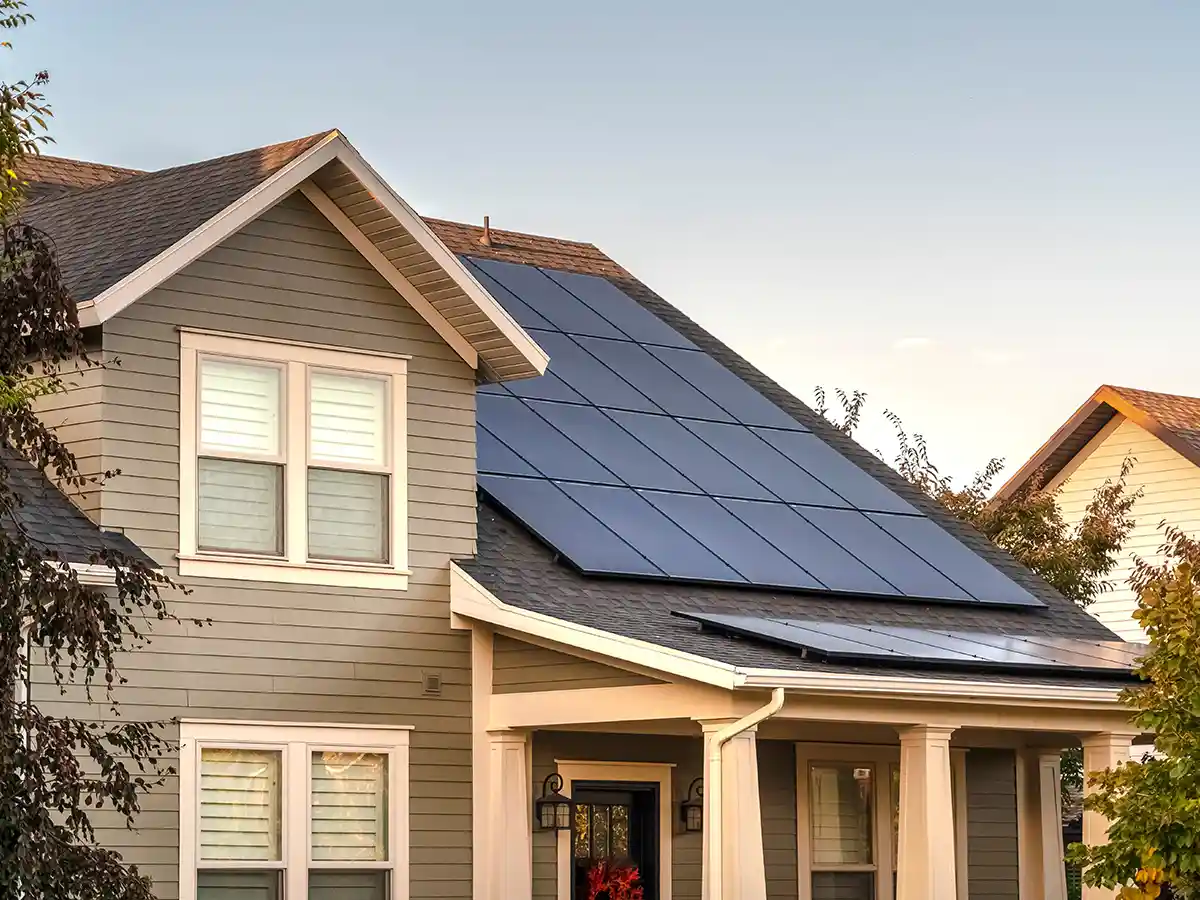
Solar panels generate electricity during daylight hours, converting sunlight into usable power. That energy can be used immediately to power your home, reducing the amount of electricity you draw from the grid.
But what happens when the sun isn’t shining?
This is where home battery systems come in. Batteries store the excess electricity produced during the day, so it’s available at night or during a power outage. The combination creates a self-sustaining loop: solar power feeds the battery, and the battery keeps your home running—even when the rest of the neighbourhood goes dark.
This approach is called energy self-consumption, and it’s one of the fastest-growing trends in residential energy across North America.
Why It Works in Canada
It’s a myth that solar panels don’t work in cold climates. In fact, solar panels are more efficient at lower temperatures. Snow can reduce output temporarily, but panels are installed at angles that help snow slide off. And the longer daylight hours in the spring and summer can generate significant energy—even in northern latitudes.
In provinces like Alberta and Saskatchewan, which get high amounts of sun per year, solar is especially effective. But even in Ontario and Quebec, where cloudy days are more frequent, solar still provides a valuable source of supplemental energy—especially when paired with a smart battery system.
And thanks to net metering programs, many homeowners can sell excess energy back to the grid during the summer months and draw from the grid in winter—further maximizing the investment.
Advantages Over Traditional Generators
Gasoline or propane-powered generators have long been the go-to for emergency power. They’re effective, especially for short-term use, and still play a vital role in rural or off-grid applications.
However, they come with trade-offs:
Fuel dependence: You need to keep fuel on hand—and refuel during extended outages.
Noise: Generators can be loud, which may be disruptive in residential areas.
Emissions: Combustion-based systems produce CO₂ and other pollutants.
Manual start-up: Unless you have an automatic transfer switch, many generators require manual activation.
Solar + storage systems are silent, emission-free, and automatic. They require minimal maintenance, and they start working the moment your home needs them. Plus, they operate year-round—not just during emergencies—actively reducing your electricity bills every day.
Smart Technology, Smarter Homes
Today’s energy storage systems do more than just hold power. They’re smart. Modern systems can:
Analyze your energy usage patterns
Prioritize essential circuits during outages (lights, fridges, sump pumps, etc.)
Automatically switch between solar, battery, and grid power
Optimize charging/discharging to take advantage of time-of-use billing
Integrate with solar inverters, EV chargers, and even smart home platforms
This technology doesn’t just keep you powered—it helps you use energy more efficiently and more affordably.
Environmental Impact—and a Clearer Conscience
Canadians are increasingly aware of their environmental footprint. Switching to renewable energy is one of the most direct ways to reduce household emissions. Even if you're still partially connected to the grid, using solar to reduce your demand during peak times can help lower strain on utilities and reduce the use of fossil-fuel-based “peaker plants.”
Combined with energy-efficient appliances and smart controls, solar + storage helps homeowners make meaningful progress toward sustainability goals—without compromising comfort or convenience.
Incentives Are Improving the Math
One of the traditional barriers to solar adoption in Canada has been cost. But that’s changing. Thanks to improvements in technology, manufacturing, and availability, the price of solar panels and batteries has dropped dramatically over the past decade. At the same time, federal and provincial programs continue to offer grants, rebates, and low-interest financing options for eligible homeowners.
For example:
The Canada Greener Homes Grant can provide up to $5,000 for energy efficiency upgrades.
Some provinces offer net metering or feed-in tariffs to credit homeowners for excess solar production.
Battery systems are becoming more modular and scalable—making it easier to start small and expand over time.
These changes make it more feasible than ever to invest in a system that pays for itself over time, with the added benefit of security and independence.
Looking Ahead
Solar energy and battery storage are no longer “future tech.” They’re real-world solutions being adopted across Canada right now—by families, farmers, business owners, and remote communities.
For those who want to stay ahead of rising costs, reduce their environmental footprint, and ensure power when they need it most, the path is clear: solar + storage offers a cleaner, smarter, and more resilient way forward.
Ready to Take Control of Your Energy?
Gridiron Power offers a range of energy options—from solar panels and battery systems to backup generators and hybrid solutions. We’re here to help you build the right system for your home and your goals.
Contact us today to learn how you can power your home—on your terms.

Designed for what matters most.
Sometimes, you just can’t afford for the power to go out. Have a bit of peace of mind during a power outage with Gridiron.