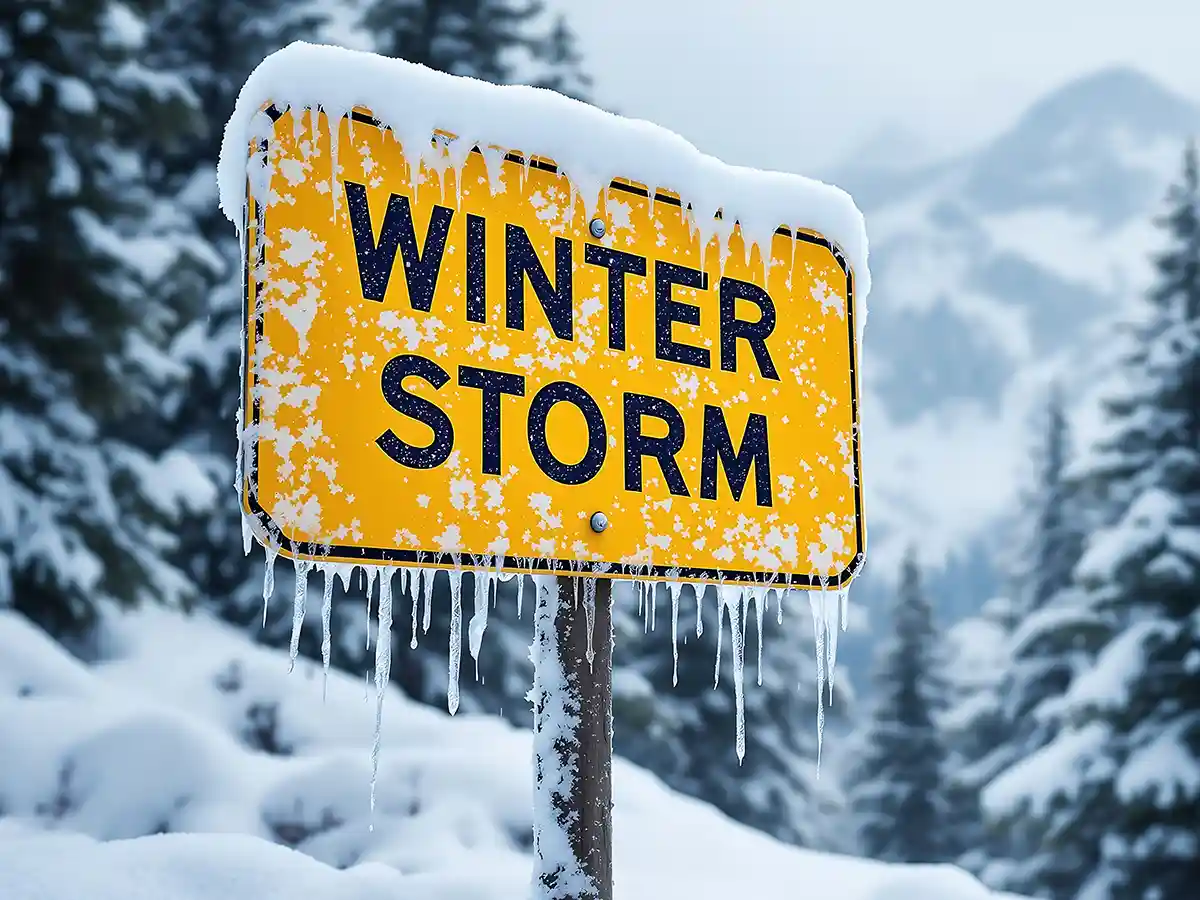
When It’s -30, Backup Power Plays by Different Rules
Across much of Canada, winter is more than just another season.
It’s a stress test.
When temperatures fall to -30, backup power isn’t just a “nice-to-have” anymore. The real question becomes: will my home stay safe if the power goes out?
In extreme cold, losing power doesn’t just disrupt your evening. It changes how your house works, minute by minute. Heat escapes, water acts differently, and there’s less room for mistakes. A summer outage is inconvenient, but a winter outage can feel urgent.
That’s why we need to think differently about backup power in real cold. It’s not just about buying a bigger generator or focusing on specs. It’s about having a plan that works when conditions are at their worst, when you don’t want to go outside, roads are bad, everyone is affected, and you’re not up for troubleshooting.
Winter outages don’t feel worse — they are worse
In summer, most homes can wait out a power outage. You can open the windows, adjust your routine, and manage.
In winter, your home reacts right away. Inside temperatures drop fast. If the furnace can’t run, it’s more than just uncomfortable. Sump pumps, well pumps, and water systems still matter, no matter how cold it is. Food can become an issue. If the outage lasts, frozen pipes and water damage can happen quickly, even if you thought an outage was unlikely.
At Gridiron, we notice the same thing every year: after the first long winter outage, people realize they don’t just need backup power—they need a better plan.
The cold-start problem is the part that surprises people
In extreme cold, most failures aren’t dramatic. The generator doesn’t blow up, and the system doesn’t give you a warning. It just won’t start, or it struggles. Sometimes it works until a small problem—one you wouldn’t notice in mild weather—suddenly causes the whole plan to fail.
Cold weather reveals any weak spots in your system.
Batteries get weaker in the cold, whether they’re in cars or backup systems. A battery that’s just okay in October might not work in January. Engines also act differently when they’re cold. Oil thickens, resistance goes up, and the system needs more effort to start and keep running.
There’s another factor people often overlook until it’s too late: in winter, your essential loads aren’t just for convenience—they protect your home. Heat isn’t just about comfort; it keeps your home safe. Water management isn’t just a bonus; it prevents damage you can’t ignore.
That’s why we say backup power in winter follows different rules. It’s not that the equipment can’t handle the cold, but cold weather exposes any weak planning.
What does “winter-ready” really mean?
There’s plenty of marketing about winterization, but we think a practical definition matters more.
A winter-ready backup plan works even when you don’t want to lift a finger—at 2:00 a.m., when the wind is howling, the temperature is dropping, and the power fails. You shouldn’t need to dig out a checklist you haven’t seen since last year.
You get that kind of reliability by doing the basics ahead of time: keeping up with maintenance, treating batteries as essential, and setting up your system based on how your home actually works, not how you wish it did.
It also means focusing on what you need the system to do, not just the equipment itself. Many people shop for backup power by size, but in winter, clarity matters more. What exactly are you powering? Does your plan keep the heat on? Does it manage water? Can you live in your home comfortably during an outage?
A clear plan means less stress when the power goes out. If your plan is vague, winter will make things much harder.
How to know if your plan is good
Here’s the key question for winter:
If the power goes out overnight in deep cold, what happens next?
Will you need to go outside? Will you have to manage cords and loads, remember steps you haven’t practiced, refuel right away, or watch over the system in miserable conditions?
Or does your home stay warm, safe, and comfortable just as you expected?
That’s what people are really looking for when they invest in backup power. It’s not just about electricity—it’s about confidence.
Canada’s winters are too harsh to treat backup power like a summer extra. If your area can reach -30, the goal isn’t just to have a generator. You need a plan that works in real winter: reliable starts, smart system design, and the right level of protection for your home when the grid fails.
When it’s -30, backup power truly does work by different rules.
And the best time to build around those rules is before you’re forced to learn them the hard way.

Designed for what matters most.
Sometimes, you just can’t afford for the power to go out. Have a bit of peace of mind during a power outage with Gridiron.