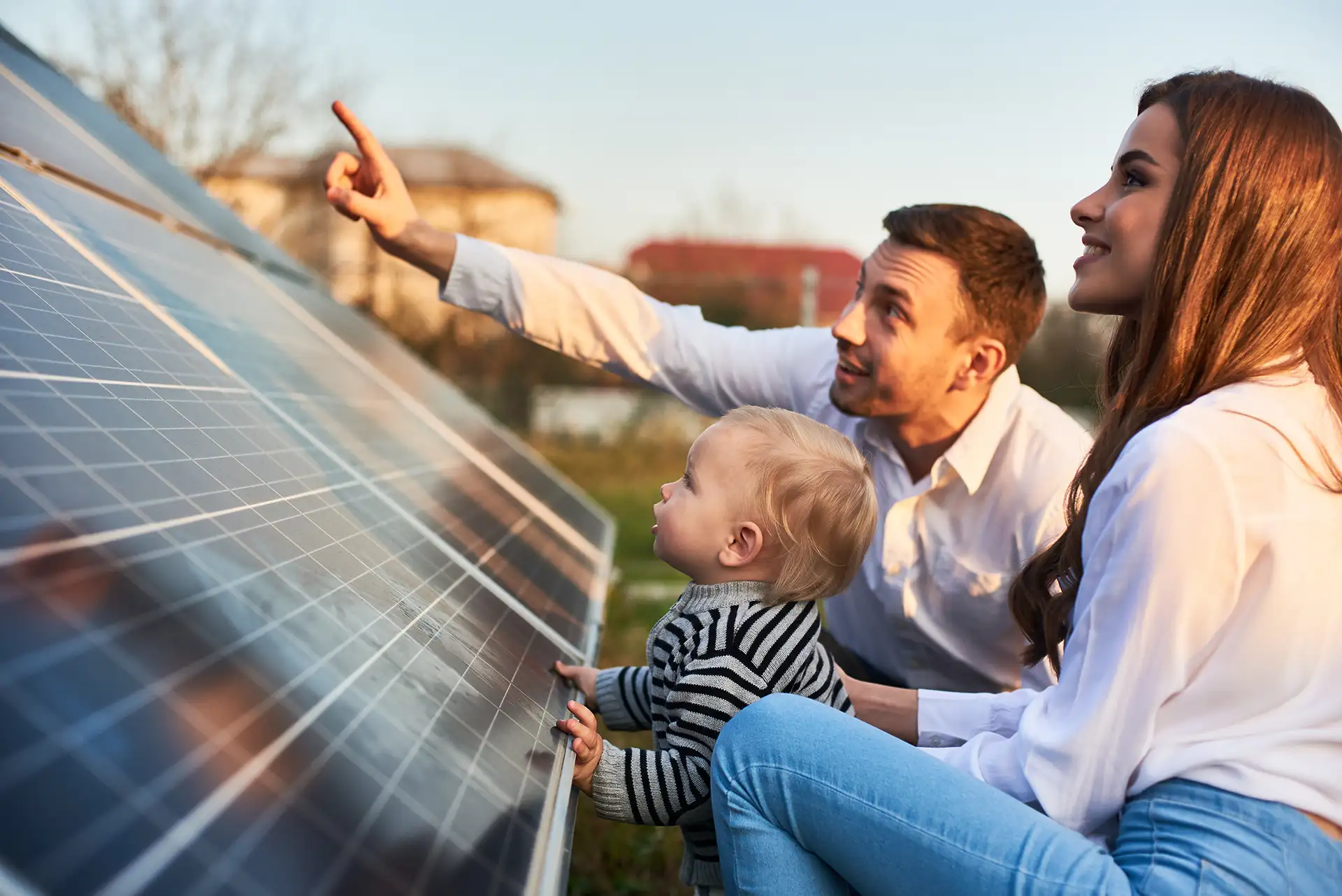
The Future of Home Power: Why Hybrid Energy Systems Are No Longer Optional
There was a time when backup power meant a loud gas generator tucked in the garage — dragged out during the worst weather, run until the fuel ran out, and relied on only in a pinch. That world is gone, and the replacement isn’t a single new technology. It’s a combination of solar power, battery storage, and standby generators working together in one intelligent system.
Across Canada, this shift isn’t just happening — it’s accelerating.
More and more homeowners are rethinking how they use and produce energy. They’re tired of relying on aging power grids, unpredictable utility rates, and weather patterns that grow more extreme every year. Solar alone isn’t enough. Batteries alone aren’t enough. And generators alone are no longer the safety net we once imagined.
Hybrid power systems are becoming the new standard — and for good reason. They’re cleaner, smarter, more scalable, and most importantly, they allow homeowners to take control of their power.
Why Canadians Are Rethinking Their Power Supply
We regularly hear from customers who have lived through serious outages, including:
The 2022 Ontario derecho that caused widespread destruction and left over one million homes without power for days (CBC).
Quebec’s 2023 ice storm, which left nearly a million people in the dark (CTV News).
Extended wildfire-related outages across Alberta and British Columbia (Global News).
Hydro bills continue to increase, local power grids are aging, and extreme weather is becoming more common. More Canadians are working from home, relying on power not just for comfort but for income, safety, and healthcare.
We’re hearing a new kind of question more frequently:
“How do we make sure our home never goes dark again?”
Hybrid power systems are delivering the answer.
What a Hybrid Power System Is
A hybrid power system combines three main components:
Solar panels to generate renewable power.
Battery storage to hold excess energy for later use.
A standby generator to kick in automatically when needed.
What truly matters isn’t the individual components — it’s how they work together.
A smart hybrid system:
Stores solar energy during the day for nighttime use.
Automatically switches to battery power during grid outages.
Runs a standby generator only when needed, protecting battery life and lowering fuel use.
With a hybrid setup, a home stays powered during storms, heat waves, ice events, and grid failures. In many cases, the transition is so seamless that the homeowner doesn’t even realize the grid has gone down.
Why Solar Alone Isn’t Enough
Solar power has become a popular option for homeowners looking to reduce energy bills and adopt sustainable solutions. But there’s an inconvenient truth that most people don’t realize until it’s too late:
Standard rooftop solar does not keep your home powered during a blackout.
Unless you have battery storage and a compatible inverter system, your solar shuts off during outages to protect utility workers restoring the grid (Natural Resources Canada).
A hybrid system solves that gap by storing unused solar power and using it to keep critical loads running when the grid is down.
Why Batteries Alone Also Fall Short
Lithium-ion battery solutions are becoming increasingly common. However, even large battery banks only last so long without a way to recharge.
The average Canadian home uses 20–24 kWh per day — and much more during storms when sump pumps and heaters may be running. A standard 10 kWh battery won’t last a full day on its own, especially if you’re trying to run larger appliances.
Battery storage needs solar to recharge. And when the weather makes solar ineffective — that’s when a generator is essential.
Why Generators Still Matter — But Not Alone
Generators remain the only source of guaranteed on-demand power, especially during prolonged outages. But they aren't meant to run full-time. In a hybrid system, a standby generator:
Only runs when batteries reach a minimum charge level.
Burns less fuel and produces less noise.
Stays in better condition due to fewer total run hours.
In a modern setup, the generator becomes a support system — not the whole solution.
How It All Works Together
Here’s a typical example:
You have 8 kW of rooftop solar, a pair of 10 kWh lithium batteries, and a 14 kW standby generator tied into your electrical panel via an automatic transfer switch.
During a grid outage:
The system disconnects from the grid instantly.
The batteries maintain power to critical loads.
Solar recharges the batteries when the sun is available.
The generator automatically turns on when batteries reach a pre-set threshold, recharging them before switching back off.
You stay powered. You stay comfortable. And you don’t have to lift a finger.
Why This Shift Is Happening Now
Several converging factors are driving the rise of hybrid power in Canada:
Government incentives for energy efficiency (including solar and battery rebates in multiple provinces).
More frequent and unpredictable power outages due to climate events.
Increased energy demand from home offices and electric vehicles.
Greater awareness of the limitations of traditional grids and single-solution systems.
We’re not just powering homes. We’re powering lifestyles.
How We Are Built for the Hybrid Future
We built our company to support this growing demand for resilient home energy — not just with products, but with real solutions.
Stock When Others Don’t: With over 140,000 sq ft of warehouse space across Canada, we keep inventory on hand — including batteries, solar panels, accessories, and standby generators. That means fast delivery and fewer supply delays for contractors and homeowners.
A Real Warranty That Actually Protects You: Our 10-year fully covered warranty includes parts, labour, components, and travel. Home energy is a long-term investment — and backing it properly matters.
Exclusive Access to Briggs & Stratton: We are Canada’s only authorized distributor for Briggs & Stratton generator parts, giving us unbeatable access to supply, support, and technical resources.
We Engineer Complete Systems: We don’t sell “kits.” We build full hybrid systems tailored to your climate, power needs, and home layout. No two installations are identical — and that’s why they work.
The Bottom Line
Within five years, hybrid energy systems will no longer be considered “advanced.” They’ll be expected.
Some families will adopt them early and gain years of energy independence, lower costs, and peace of mind.
Others will install them later — because the next storm or outage forced them to.
If you want energy you control — power that’s reliable, renewable, and resilient — the answer is simple: go hybrid.
We’re here to help you design and install the system that makes it possible.

Designed for what matters most.
Sometimes, you just can’t afford for the power to go out. Have a bit of peace of mind during a power outage with Gridiron.